
Category: Monitoring & Management
-

Suburban Deer Are Not an Accident: How Development Creates Deer Problems
Suburban deer problems are usually framed as “too many deer.” But deer conflict often begins with land-use decisions: development creates edge habitat, ornamental food, road crossings, and management limits. This article explains why suburban deer are not an accident — and what actually reduces conflict.
-
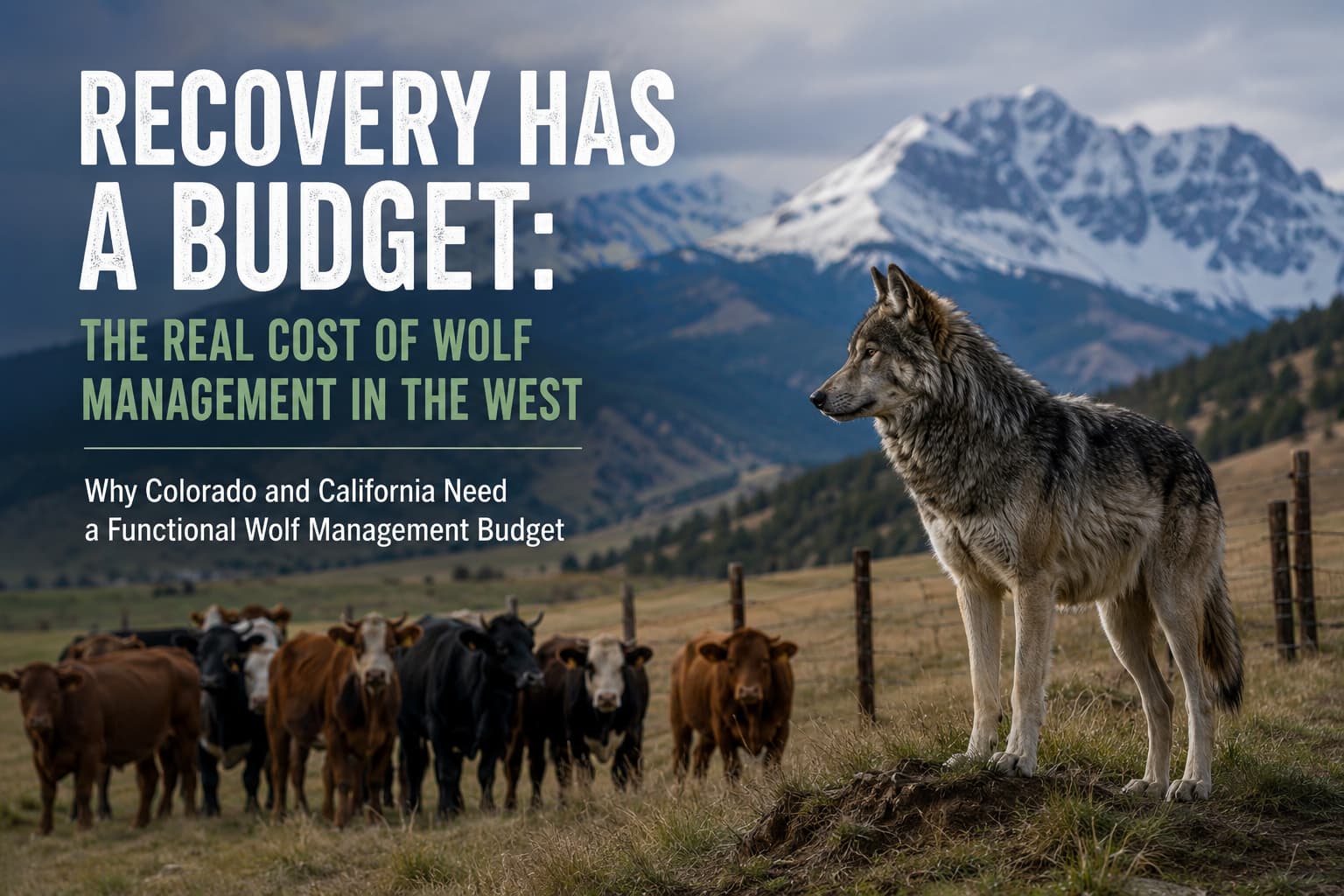
The Wolf Budget Problem: Recovery Without Conflict Funding Is Not Management
Wolf recovery is often measured by population growth. But long-term management depends on whether states can fund compensation, prevention, field investigations, and producer trust after wolves return to working landscapes.
-

The Groundhog Day Problem in Wildlife Management
Elk, predators, drought, fire, and fencing conflicts keep returning because wildlife systems do not stand still. Adaptive management gives landowners, agencies, and conservation groups a better way to learn before the next season repeats the same problem.
-

Public Hunting Access vs Private Leases: Why State Programs Are Losing Ground
Public hunting access programs across the West are increasingly struggling to compete with the rising economics of private hunting leases. As land values climb and wildlife becomes a premium recreational asset, many ranchers now face mounting pressure to prioritize low-impact, high-revenue private access agreements over traditional state-funded public hunting programs. This analysis examines the financial…
-

eDNA Testing for Invasive Species (2026): What It Detects, What It Costs, and How to Use It Without Fooling Yourself
Environmental DNA (eDNA) testing can reveal invasive species before they’re visible—but it isn’t proof, and it doesn’t replace field work. This guide explains how eDNA actually works, what it costs in 2026, where it fails, and how land managers and agencies use results to guide cameras, trapping, and follow-up surveys.
-
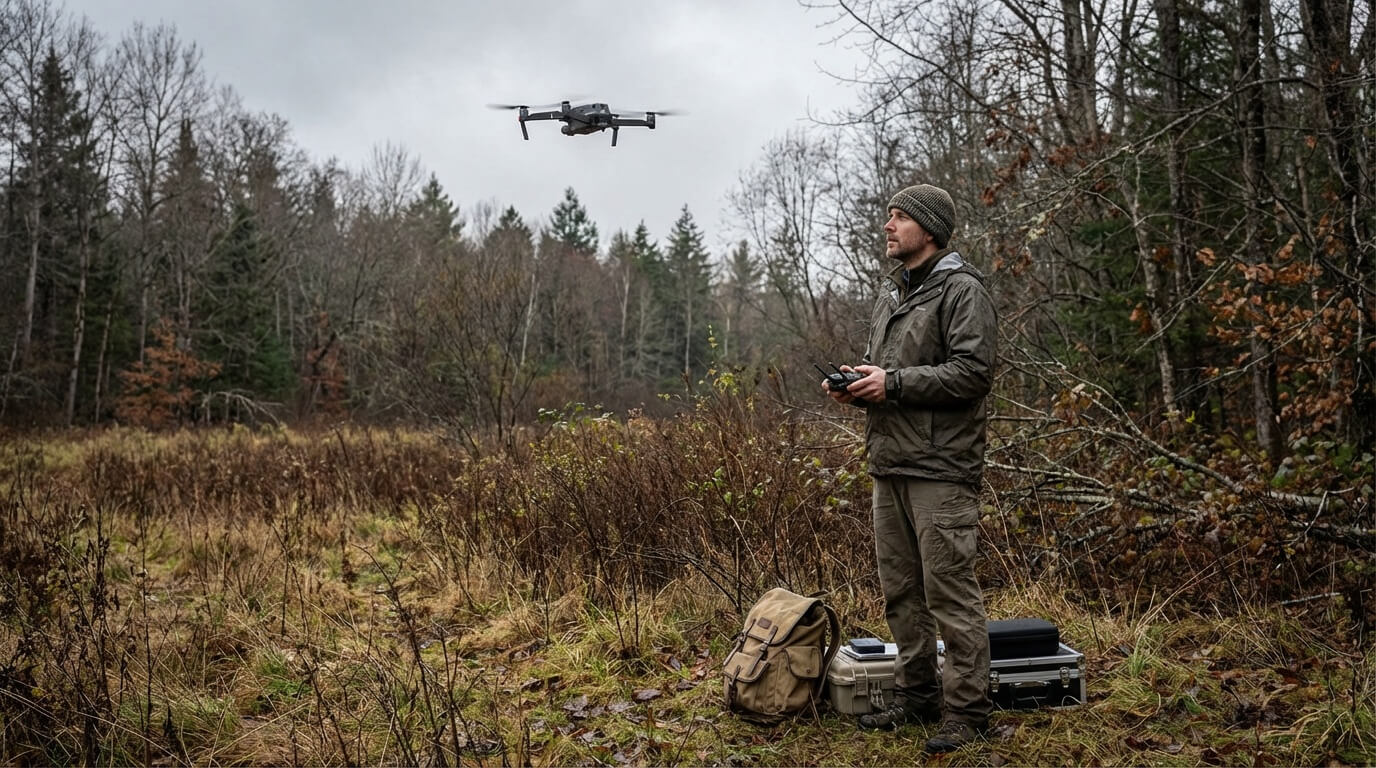
Drone Wildlife Surveys in Challenging Conditions
Drone wildlife surveys promise efficiency—but often fail under real field conditions. This guide explains when drones work, when they don’t, and how to plan accordingly.
-
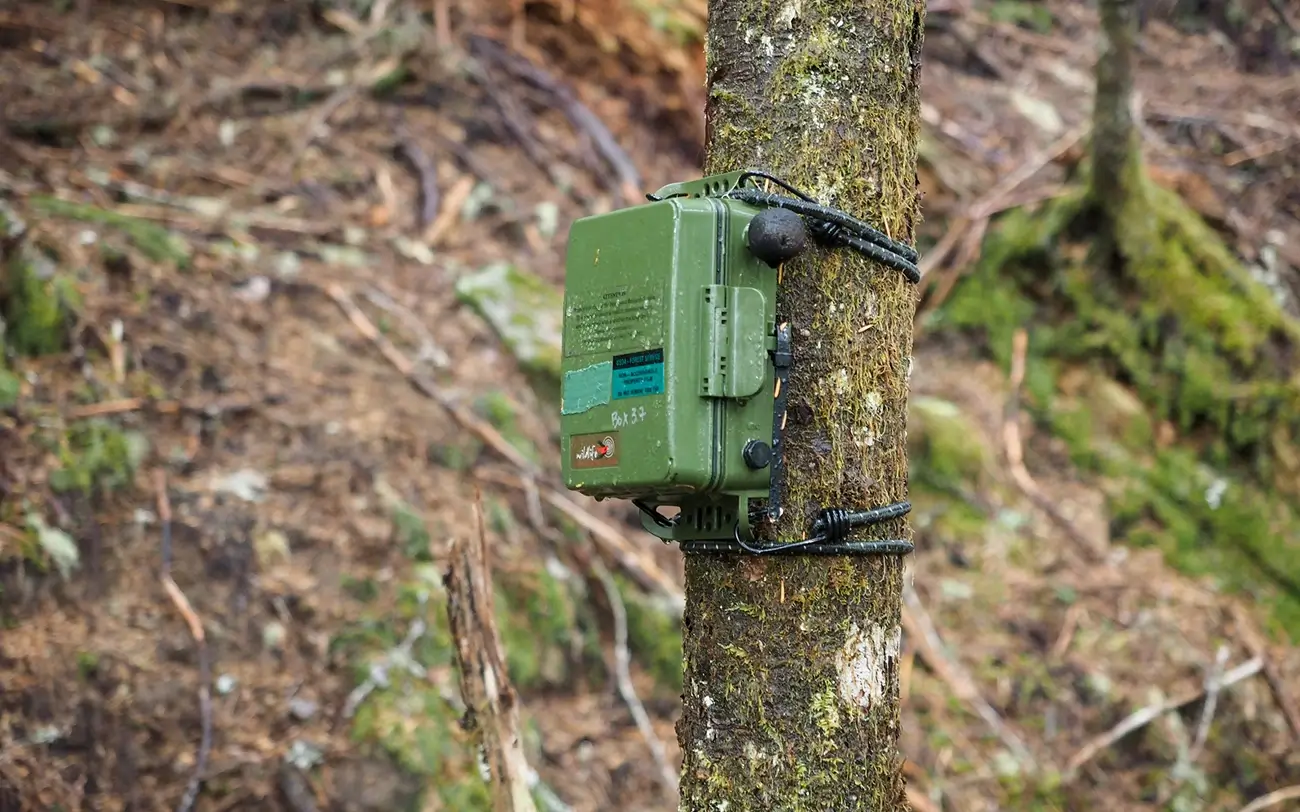
Acoustic Monitoring for Nocturnal and Elusive Wildlife: Setup, Interpretation, and Applications
Acoustic monitoring is widely used to detect nocturnal and elusive wildlife, but it is often misunderstood. This article explains how passive acoustic monitoring works, where it succeeds, its limitations, and how it fits into modern wildlife management decisions.
-

AI Can Count Animals. Can It Protect Them?
AI-powered wildlife monitoring is transforming how camera-trap data are processed, cutting review time from months to hours. But evidence shows that while machine learning improves detection speed and scale, it also introduces bias, domain-shift risks, and ethical challenges. This article examines what AI actually does well, where it falls short, and why human oversight remains…
-
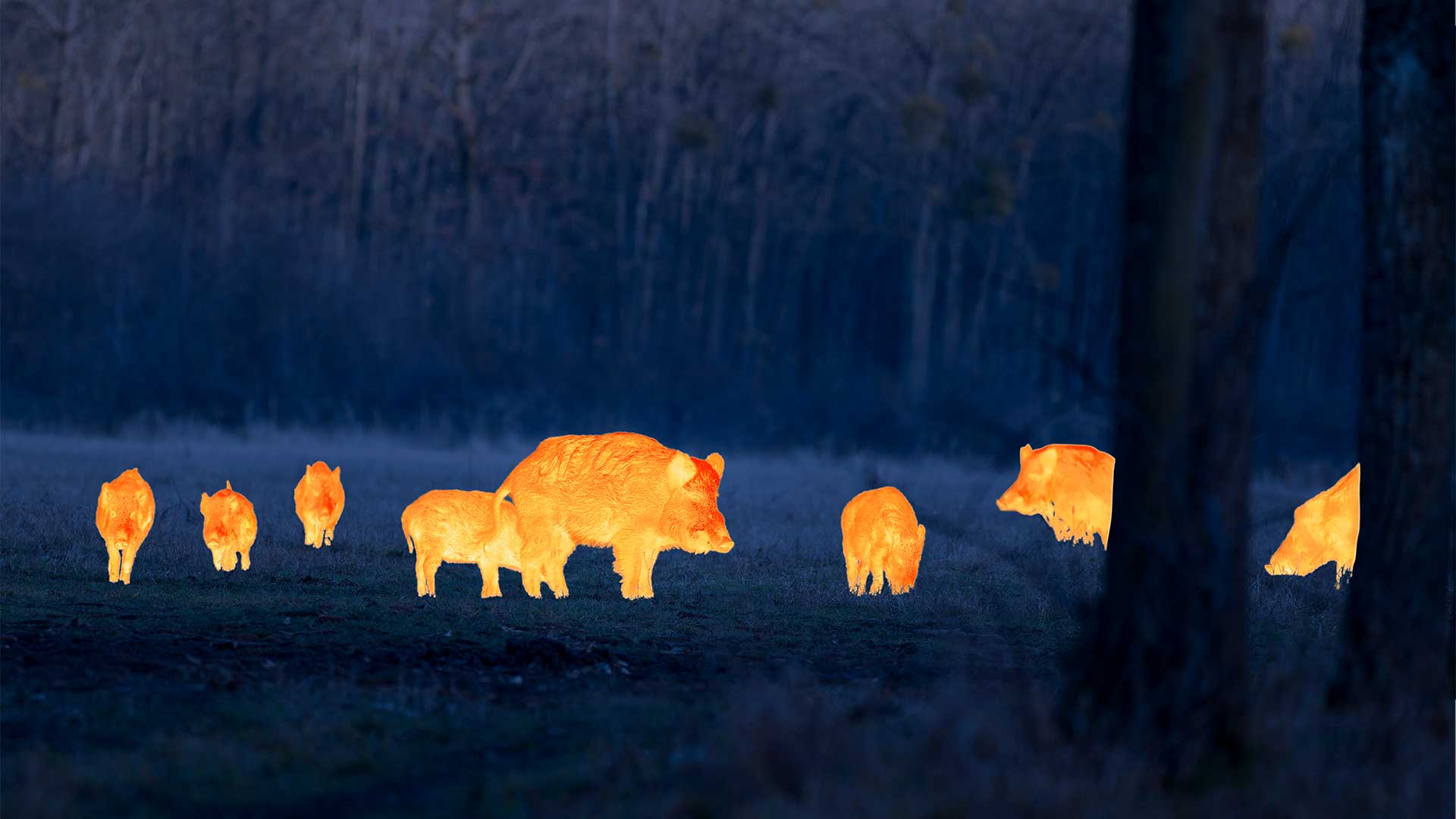
Thermal Imaging and eDNA for Conflict Species
Thermal imaging and environmental DNA are increasingly used in wildlife conflict management, but they solve different problems. This article examines real-world performance, costs, limitations, and use cases to help wildlife agencies choose monitoring tools that support defensible decisions.
-
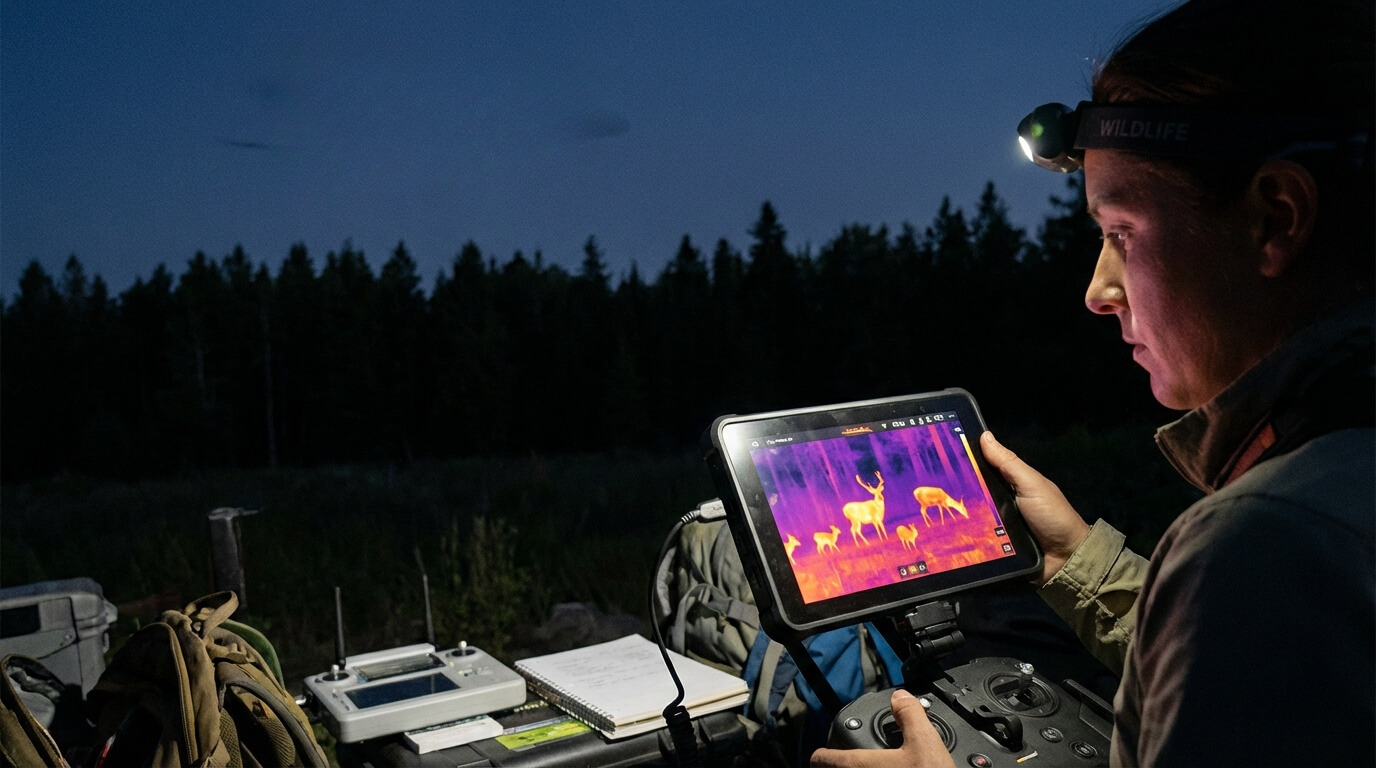
New Tools in Wildlife Management: What Drones, Thermal Imaging, eDNA, and Deterrent Research Actually Deliver
Drones, thermal imaging, and eDNA are reshaping wildlife monitoring—but do these tools actually improve management decisions? This article examines the evidence behind wildlife monitoring technology, its limits, and how agencies integrate new tools into real-world practice.