
Category: Big Drivers
-

Urban Sprawl and Wildlife Displacement: Why Conflict Increases
Urban development doesn’t just replace habitat—it reshapes how wildlife moves, feeds, and survives. This article explains how urban sprawl displaces animals into edge zones and why conflict increases even without population growth.
-
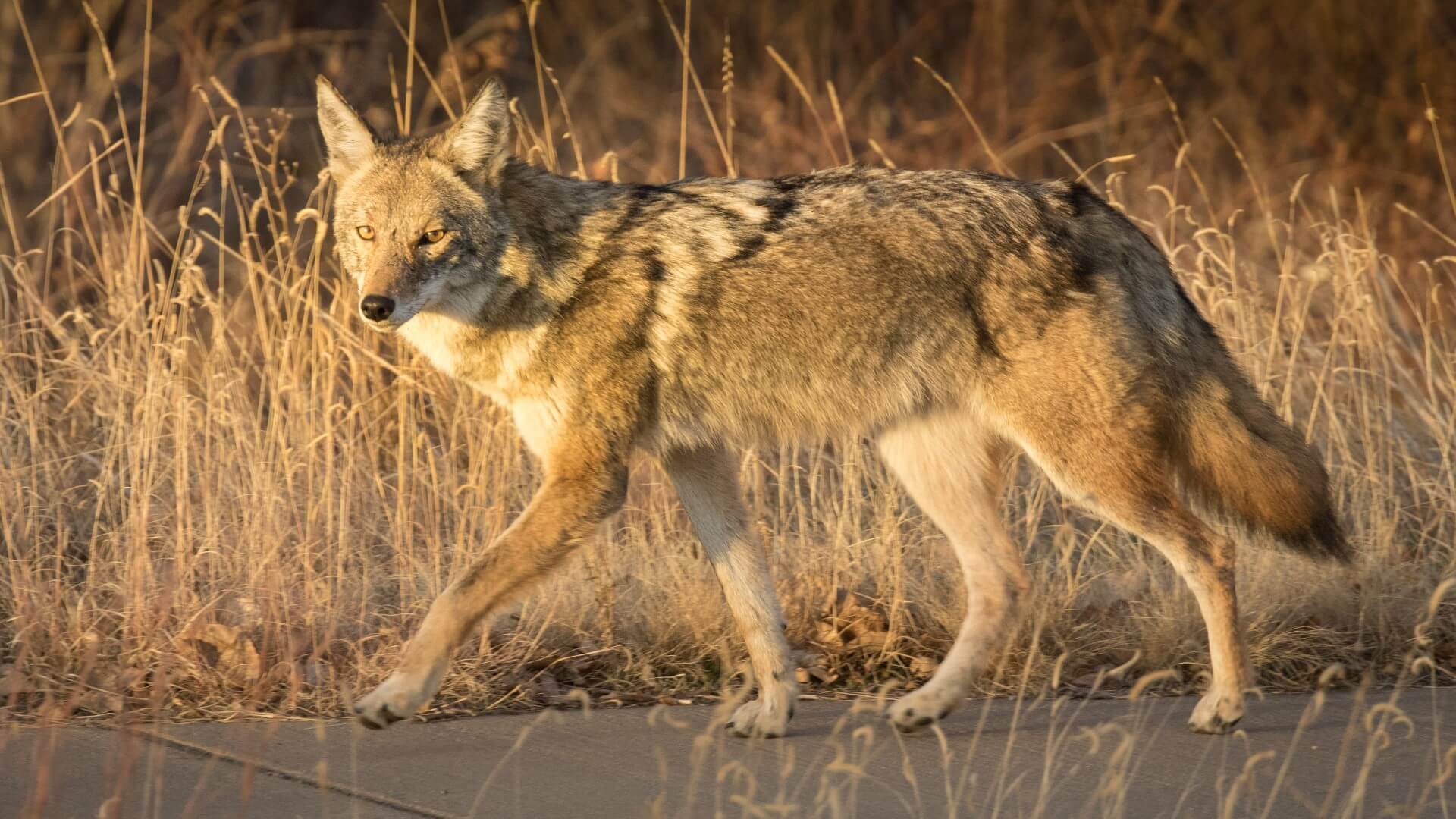
Drought Wildlife Conflict: Why Animals Are Moving Into Towns
Drought is pushing wildlife into towns at measurable rates. New research shows that as water and prey become scarce, adaptable carnivores like coyotes, bears, and mountain lions range farther into urban areas—driving predictable increases in reported human–wildlife conflict during dry years.
-

NEPA Reform (2020–2026): Streamlining Gains, 2025 Overhauls, and Implications Ahead
This analysis examines how NEPA reforms from 2020 through early 2026 reshaped environmental review timelines, scope, litigation dynamics, and conservation outcomes—and what those changes mean for land and wildlife management going forward.
-

USDA Land Protection Grants: January 15 Deadline and What Applicants Need for 2026
USDA land protection grants for 2026 enter a critical phase with the January 15 NRCS batching deadline. This article explains what’s confirmed, what’s changed in recent funding cycles, and how landowners and conservation sponsors can prepare competitive applications.