
Tag: wildlife conflict
-

Suburban Deer Are Not an Accident: How Development Creates Deer Problems
Suburban deer problems are usually framed as “too many deer.” But deer conflict often begins with land-use decisions: development creates edge habitat, ornamental food, road crossings, and management limits. This article explains why suburban deer are not an accident — and what actually reduces conflict.
-

The Groundhog Day Problem in Wildlife Management
Elk, predators, drought, fire, and fencing conflicts keep returning because wildlife systems do not stand still. Adaptive management gives landowners, agencies, and conservation groups a better way to learn before the next season repeats the same problem.
-

Deer Damage Prevention for Gardens & Landscapes: What Actually Works (and What Fails Repeatedly)
Deer damage prevention isn’t random—it’s predictable. Learn what actually works to keep deer out of gardens, why most methods fail, and when fencing becomes the only real solution.
-
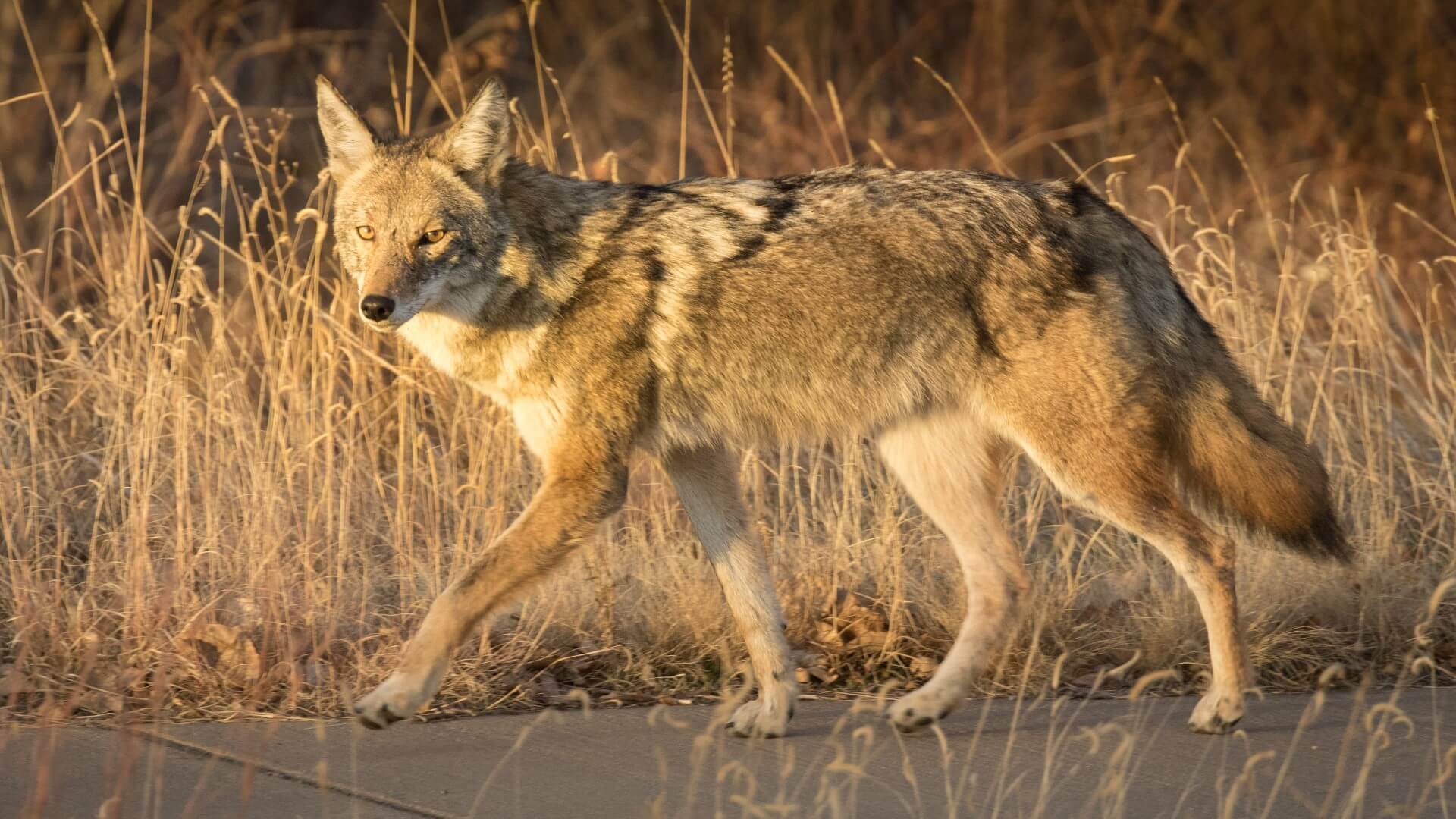
Drought Wildlife Conflict: Why Animals Are Moving Into Towns
Drought is pushing wildlife into towns at measurable rates. New research shows that as water and prey become scarce, adaptable carnivores like coyotes, bears, and mountain lions range farther into urban areas—driving predictable increases in reported human–wildlife conflict during dry years.
-
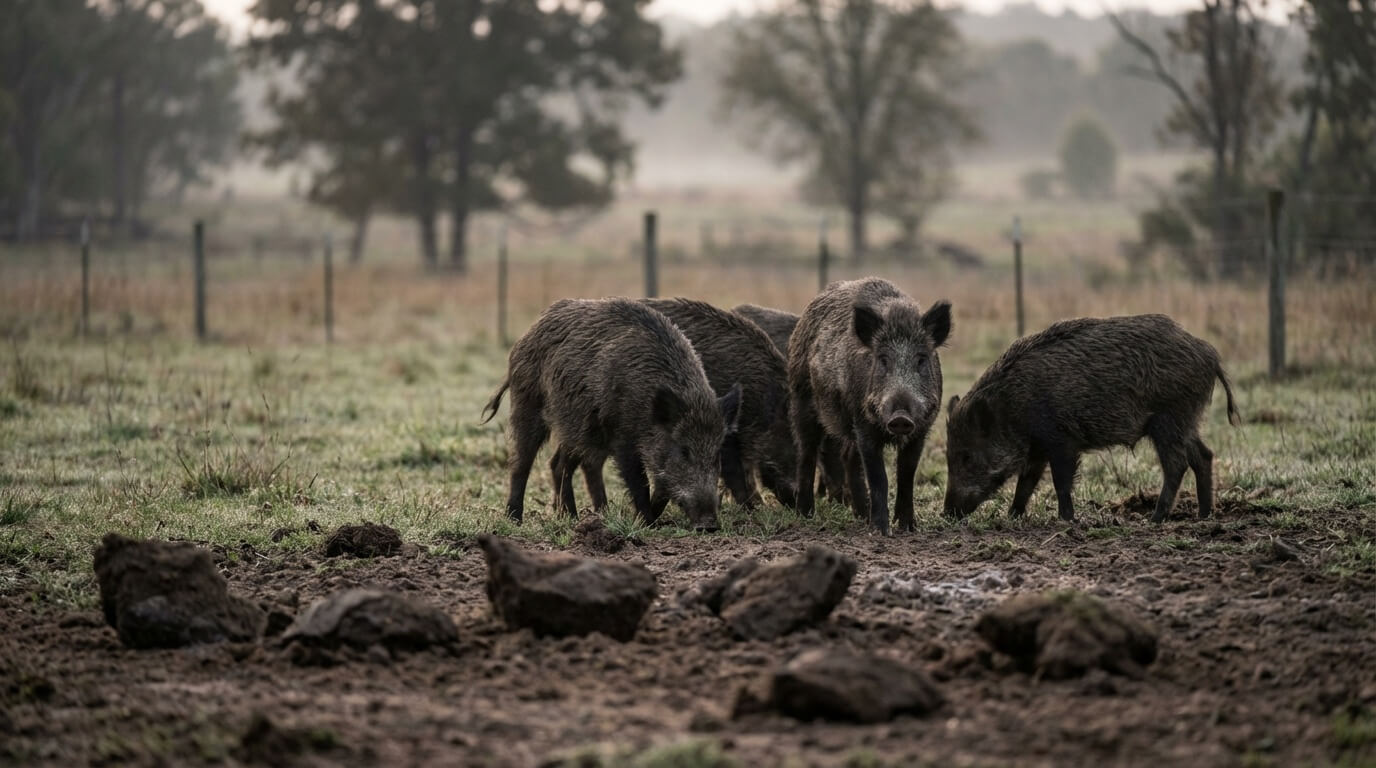
What Actually Works for Feral Hog Control (And What Fails Repeatedly)
Feral hog control fails when effort is inconsistent or incomplete. Learn what methods actually work, why partial removal backfires, and what realistic success looks like using evidence-backed strategies trusted by wildlife agencies.