
Category: Policy & Management
-
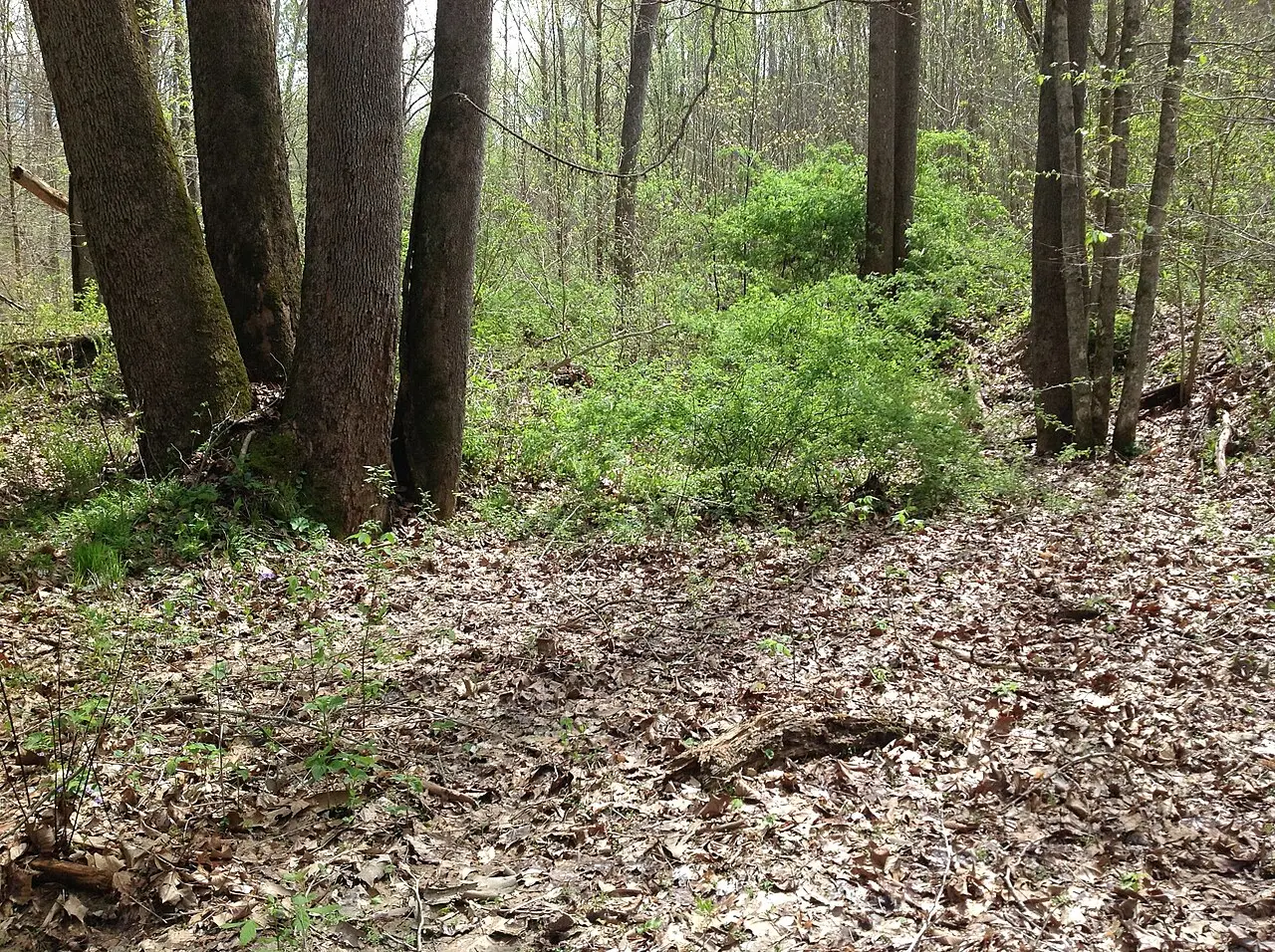
About 11,000 Acres of Shawnee Forest Could Lose Federal Roadless Protection.
A federal proposal could remove Roadless Rule protections from about 11,000 acres of Shawnee National Forest. But Burke Branch and Ripple Hollow have different management rules, and the proposal approves no logging or roads.
-

Patoka River Was About to Ban Lead Ammunition. Then the Federal Government Reversed Course.
Patoka River National Wildlife Refuge was scheduled to require nonlead ammunition and fishing tackle beginning September 1, 2026. One day before that deadline, the federal government reversed course. The decision did not erase all nontoxic-shot rules, but it changed how the refuge will regulate lead ammunition and tackle going forward.
-
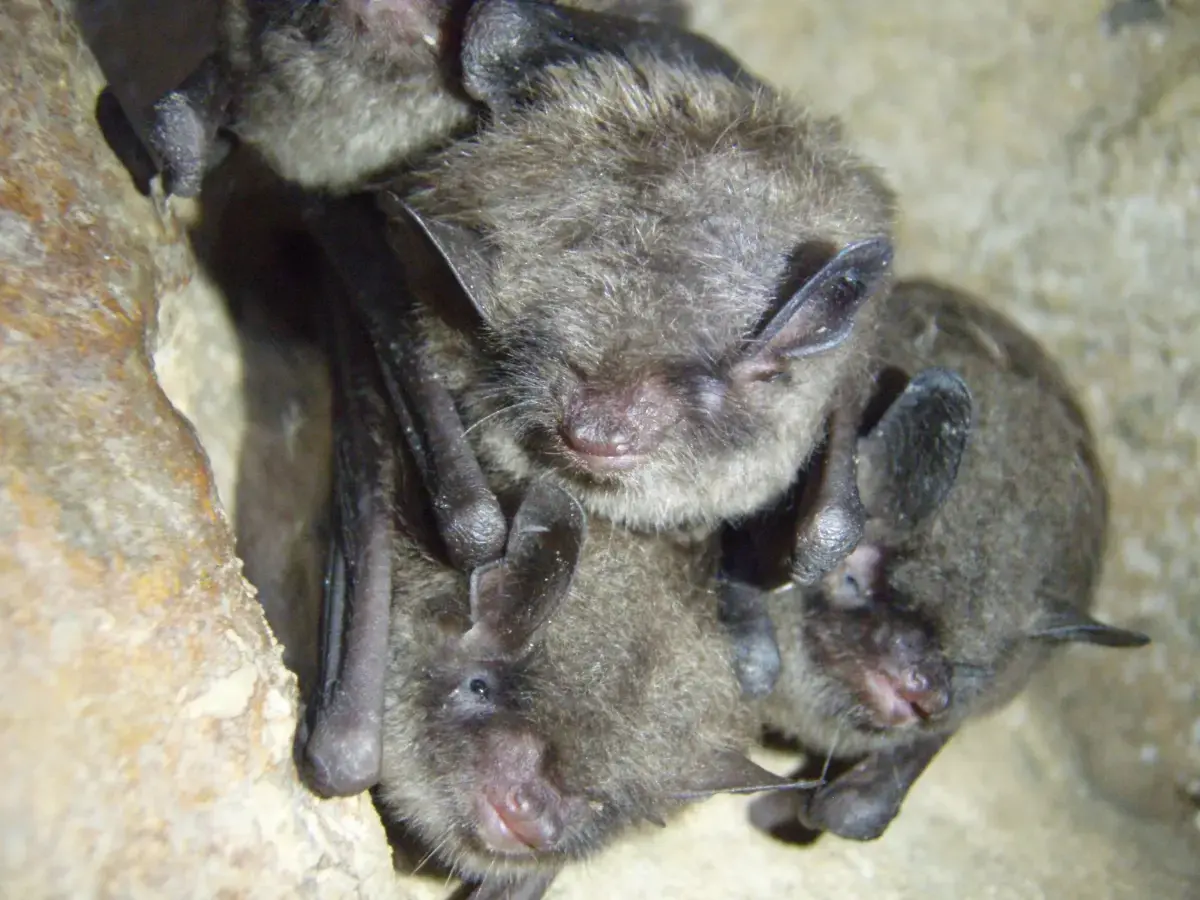
When Forest Restoration Collides With Endangered Species Protection
A federal judge set aside approval of an oak-hickory restoration project in Shawnee National Forest after the Forest Service acted before completing required consultation over endangered Indiana bats. The case shows how forest restoration can create competing ecological risks.
-
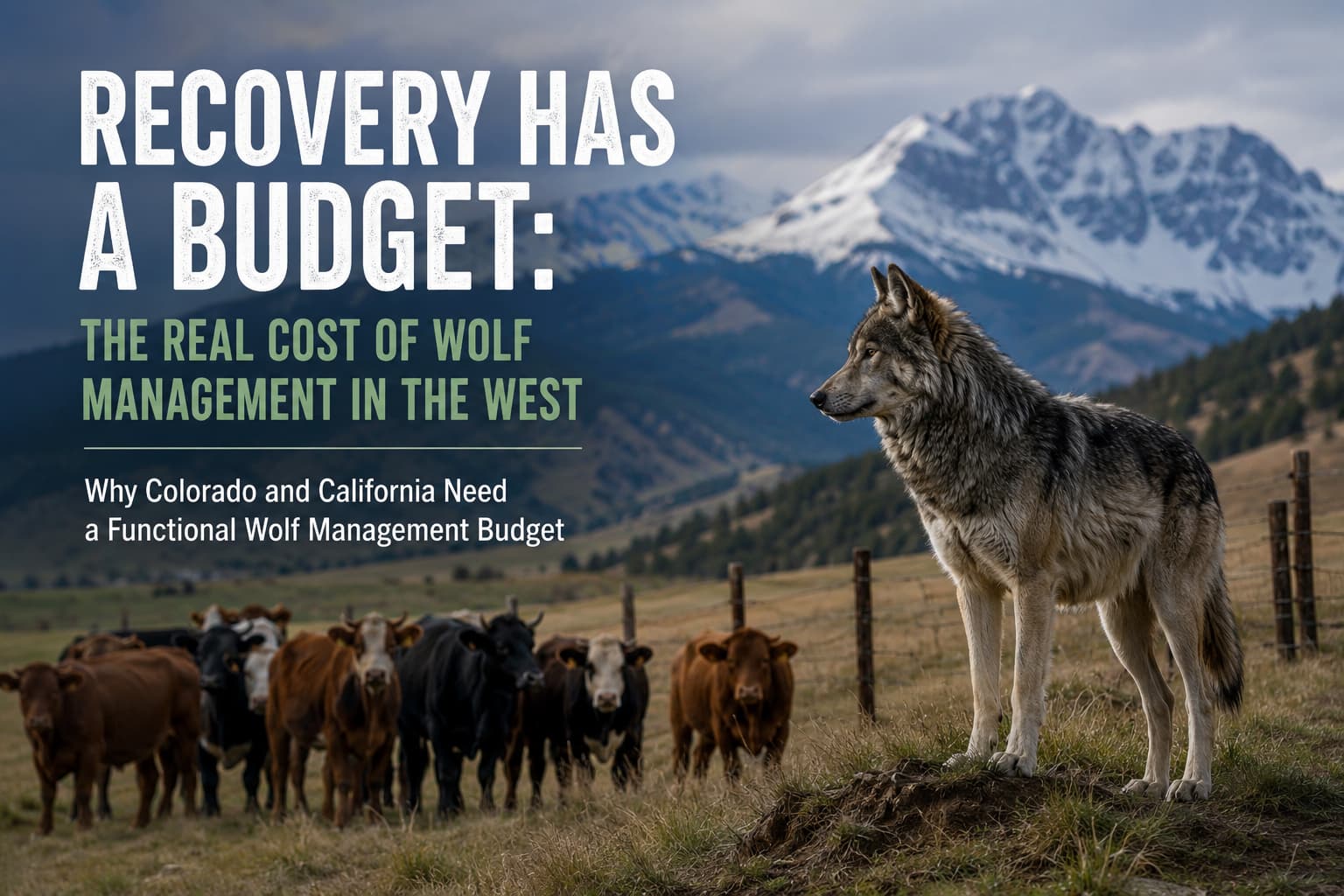
The Wolf Budget Problem: Recovery Without Conflict Funding Is Not Management
Wolf recovery is often measured by population growth. But long-term management depends on whether states can fund compensation, prevention, field investigations, and producer trust after wolves return to working landscapes.
-

The Groundhog Day Problem in Wildlife Management
Elk, predators, drought, fire, and fencing conflicts keep returning because wildlife systems do not stand still. Adaptive management gives landowners, agencies, and conservation groups a better way to learn before the next season repeats the same problem.
-
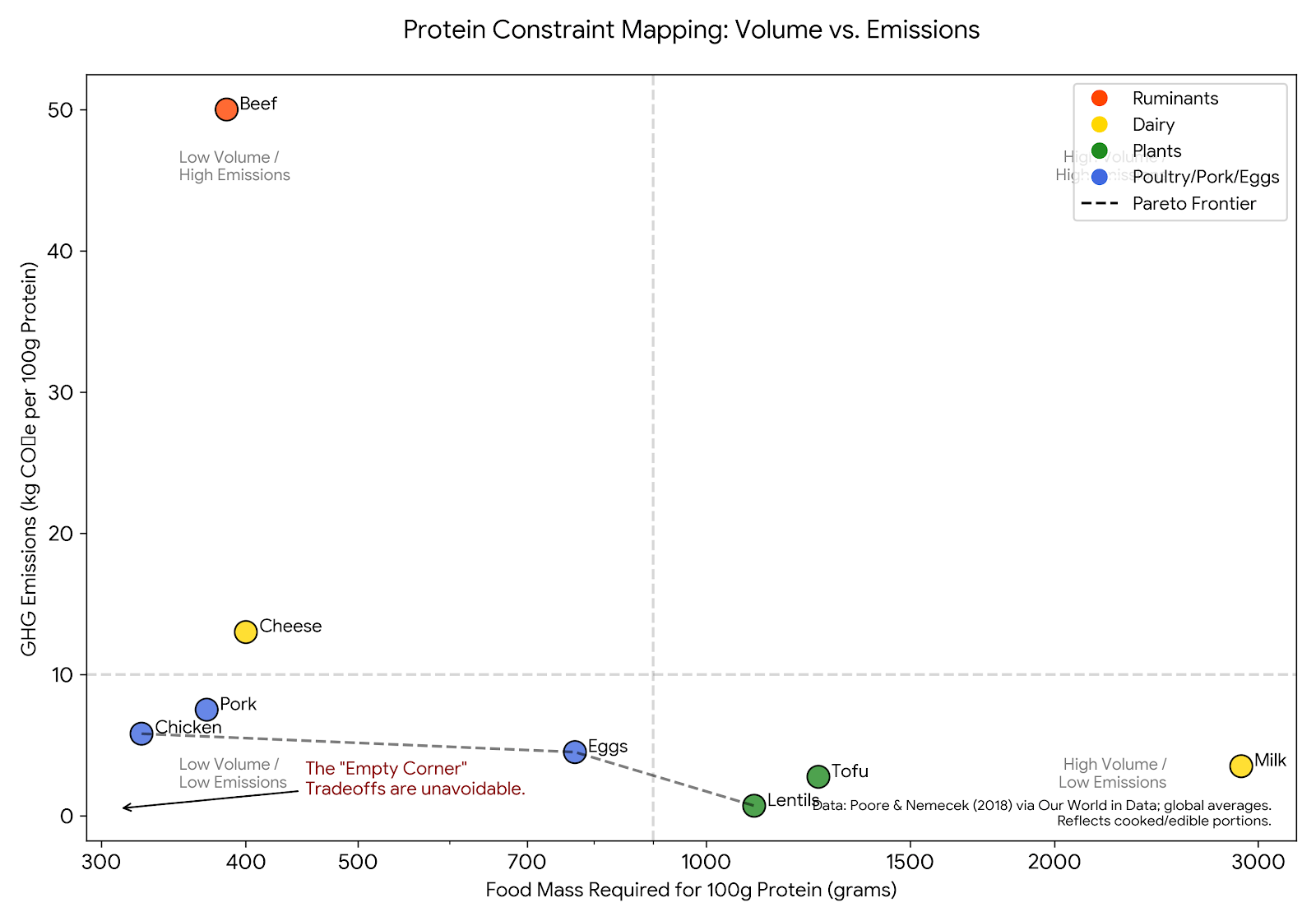
Protein vs. Climate: What Functionally Equivalent Protein Actually Costs in Food and Emissions
Protein requirements are fixed by biology, but the climate cost of meeting them is not. Most diet–climate comparisons evaluate foods by calories, servings, or kilograms consumed. This analysis instead normalizes greenhouse gas emissions and food intake to functionally equivalent protein, revealing a set of unavoidable tradeoffs. By comparing food volume, emissions, digestibility, and access constraints…
-

NEPA Reform (2020–2026): Streamlining Gains, 2025 Overhauls, and Implications Ahead
This analysis examines how NEPA reforms from 2020 through early 2026 reshaped environmental review timelines, scope, litigation dynamics, and conservation outcomes—and what those changes mean for land and wildlife management going forward.
-

USDA Land Protection Grants: January 15 Deadline and What Applicants Need for 2026
USDA land protection grants for 2026 enter a critical phase with the January 15 NRCS batching deadline. This article explains what’s confirmed, what’s changed in recent funding cycles, and how landowners and conservation sponsors can prepare competitive applications.